Signs You May Be Experiencing Burnout (And What To Do About It)
Signs You May Be Experiencing Burnout (And What To Do About It)
Have you caught yourself thinking:
"Why am I so tired all the time?"
"I used to care more than this."
"Everything feels overwhelming lately."
"Maybe I just need a vacation."
That's burnout talking.
Here's the tricky part: burnout usually doesn't show up all at once. Most people don't wake up one morning and just know they're burned out.
It sneaks up on you. Slowly.
Until one day you're staring at an email, a sink full of dishes, or your to-do list wondering why everything feels so impossibly hard.
And while burnout gets talked about a lot in the context of work, it can happen to anyone who's been carrying too much for too long.
Healthcare workers. Therapists. Teachers. Parents. Caregivers. First responders. High achievers.
The people who are used to showing up for everyone else are often the ones who struggle most to recognize when they need support themselves.
So, what is burnout?
Burnout isn't just stress. Stress feels like you have too much on your plate.
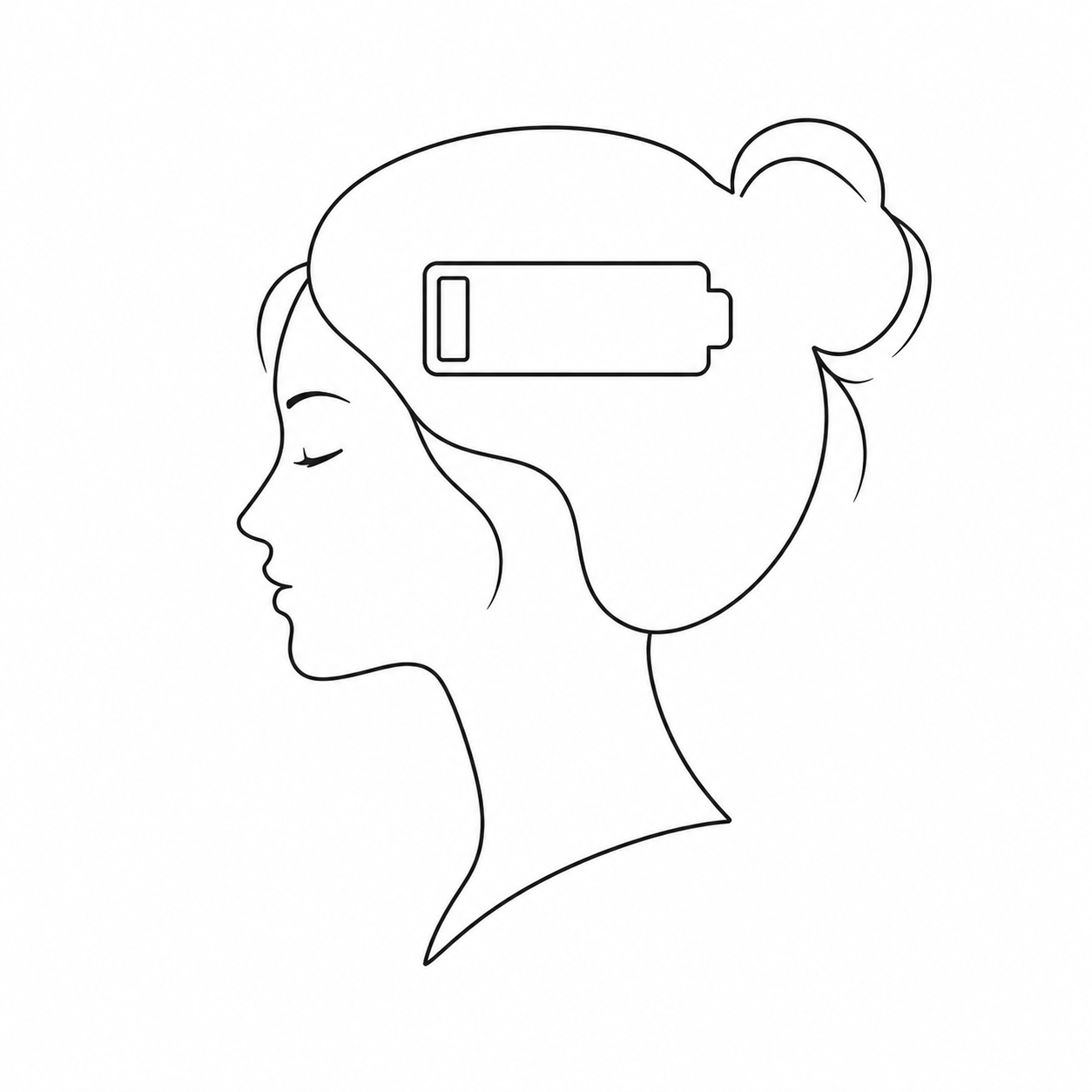
Burnout feels like you've been running on empty for so long, you can't even remember what rested feels like.
It affects you emotionally, physically, and mentally, which makes it harder to feel motivated, present, connected, or interested in things that used to matter to you.
What are the most common burnout symptoms?
Burnout doesn't look the same for everyone.
Some people feel emotionally exhausted, some become irritable and impatient. Others feel numb, disconnected, or like they're simply going through the motions.
That's part of what makes burnout so difficult to recognize. Most people expect burnout to look like a complete breakdown, but more often it shows up in small ways that gradually become harder to ignore.
You may find yourself feeling constantly tired, struggling to focus, losing interest in things you once enjoyed, or feeling like even simple tasks require more energy than they should.
The signs of burnout often develop slowly, which means many people don't realize how depleted they've become until they're already running on empty.
If you're wondering whether what you're experiencing could be burnout, here are some of the most common burnout symptoms I see in healthcare workers, helping professionals, caregivers, high achievers, and people who have been carrying too much for too long.
Common Signs of Burnout
1. You're exhausted all the time
Not "I stayed up too late" tired. I'm talking bone-deep tired.
The kind that follows you everywhere:
You wake up tired.
You go to bed tired.
You get a chance to sleep in and somehow, still tired.
And it's not just physical exhaustion, it's mental exhaustion too.
Making decisions feels harder.
Concentrating takes more effort.
Even things you normally enjoy can feel draining.
You may find yourself wondering:
"Why am I this tired when I haven't even done that much today?"
The answer is often that burnout isn't about what happened today. It's about the accumulation of weeks, months, or even years of carrying too much without enough recovery. This happens because burnout depletes you at a deeper level than regular tiredness. Sleep helps when you're physically worn out. But when your nervous system has been in overdrive for months, a good night's sleep doesn't really touch it.
2. Small tasks suddenly feel massive
Replying to an email.
Making dinner.
Returning a phone call.
Folding the laundry.
Things that used to take five minutes now feel like they require an entire day's worth of energy.
You may find yourself staring at your to-do list knowing exactly what needs to get done but feeling completely unable to start.
So you find yourself putting off simple things for days, not because you're lazy, but because your tank is genuinely empty.
This can be frustrating because logically you know these aren't difficult tasks. But when everything costs more than it should, even easy decisions can start to feel paralyzing because burnout drains the mental and emotional energy required to manage everyday responsibilities.
What used to feel manageable suddenly feels overwhelming.
3. You feel emotionally numb
A lot of people think burnout means feeling stressed 24/7, but sometimes it looks more like feeling nothing.
Disconnected from yourself. Detached from the people around you. Like you're just going through the motions.
You may notice that things that would normally make you happy don't really move the needle anymore.
Good news doesn't feel exciting.
Bad news doesn't feel surprising.
You find yourself saying things like:
"I don't know what's wrong with me."
"I just don't care anymore."
"I feel kind of checked out."
This can be confusing because burnout isn't always about feeling overwhelmed. Sometimes it's your mind and body's way of protecting itself after operating in survival mode for too long.
You might sit through a conversation and realize you weren't really there. Or watch something that would normally make you laugh and feel... flat.
When we're constantly pushing through stress, responsibility, and exhaustion, our nervous system sometimes shifts into survival mode. Instead of feeling everything, it starts turning the volume down.
Not because you don't care.
Not because you're lazy.
Not because something is wrong with you.
But because you've been carrying more than your system was designed to carry for too long.
When you've been pushing through exhaustion, stress, and responsibility for months (or even years) eventually there may not be much emotional energy left in the tank.
And while emotional numbness can feel scary, it's often a sign that your mind and body need rest, support, and attention.
4. You're more irritable than usual
The little things that normally roll right off you are suddenly impossible to ignore.
Maybe the email that could have waited until tomorrow makes you want to throw your laptop across the room.
Maybe someone asking a simple question feels oddly frustrating.
Maybe you're snapping at your partner, your kids, your coworkers, or even strangers, and then feeling guilty afterward.
When we're burned out, our capacity shrinks. Things that once felt manageable start feeling overwhelming because we're already operating with very little energy left in reserve.
This often catches people off guard because it doesn't feel like a burnout symptom—it just feels like being in a bad mood. But chronic irritability is often one of the earliest signs that your reserves are running low. You don't have the emotional bandwidth you normally do, so everything lands a little harder.
It's harder to be patient when you're exhausted. It's harder to be understanding when you're running on empty.
And sometimes what looks like anger on the surface is actually overwhelm, exhaustion, or unmet needs that have been ignored for far too long.
If you've noticed yourself becoming more reactive than usual, it may be worth asking:
"Am I actually angry?"
Or:
"Am I just completely depleted?"
5. Things you used to enjoy feel like obligations
Hobbies.
Social plans.
Exercise.
Reading.
Creative projects.
Even things that used to genuinely help you recharge can start feeling like items on a to-do list.
You know you should enjoy them, you just… don't.
This is one of the more disorienting parts of burnout. The things that used to be your escape stop working. And then you lose the one tool that was helping you cope.
A lot of people experiencing burnout stop doing the very things that used to help them feel like themselves because they simply don't have the energy.
Others continue doing them but notice they don't get the same enjoyment they once did.
Instead of feeling excited about seeing friends, you find yourself wishing plans would get canceled. Instead of looking forward to a hobby, it starts feeling like another thing you have to check off.
This doesn't mean you've become lazy or that you've lost interest in everything forever. Sometimes it's a sign that you're running on empty and don't currently have the emotional capacity to enjoy things the way you once did.
6. Rest makes you feel guilty
This is one of the most common signs of burnout I see in healthcare workers, therapists, caregivers, and high achievers.
You finally have a free moment and instead of actually resting, your brain starts rattling off a list of everything you should be doing instead.
Laundry.
Emails.
Errands.
Work projects.
Helping someone else.
Somewhere along the way, productivity became tied to your sense of worth.
So when you rest, it doesn't feel relaxing, it starts to feel unproductive rather than necessary. It feels uncomfortable, maybe even selfish.
But rest isn't something you earn after you've reached your breaking point.
It's one of the things that helps prevent you from getting there in the first place.
7. You feel like you're always "on"
You're taking care of everyone. Solving problems. Managing responsibilities. Putting out fires. Meeting expectations.
And somewhere in all of that, your own needs quietly fell to the bottom of the list.
For many people, burnout isn't just about having too much to do. It's about feeling like there's never a moment when you're truly off-duty.
Even when you're sitting on the couch, your brain is still running.
Thinking about work.
Thinking about your family.
Thinking about what needs to get done tomorrow.
Thinking about the thing you forgot to do yesterday.
You might not even notice how "on" you are until you try to turn it off, and can't. Sitting still feels weird. Doing nothing feels wrong. Your brain keeps scanning for the next problem to solve even when there isn't one.
Many healthcare professionals, therapists, caregivers, and high achievers become so used to being responsible for everyone and everything that constantly being "on" starts to feel normal.
Until it doesn't. Until you realize you can't remember the last time you felt relaxed. The last time you did something simply because you wanted to. The last time you weren't carrying the weight of everyone else's expectations. And that's often when burnout starts demanding your attention.
If you take anything from this, let it be this: burnout doesn't mean you're weak
One of the biggest misconceptions about burnout is that it happens to people who aren't strong enough to handle things.
Honestly? In my experience, it's usually the opposite.
The people struggling most with burnout tend to be incredibly capable, responsible, and caring. They've spent years being the person everyone else leans on.
The problem isn't weakness. It's carrying too much for too long without enough support or good systems in place.
So, what should you do if you’re experiencing burnout?
1. Pay attention to what your mind and body are telling you
Burnout rarely comes out of nowhere. There are usually signs we've been brushing off for weeks, months, sometimes years: the low-grade dread on Sunday evenings, the exhaustion that doesn't lift, the slow creep of "I just need to get through this week."
Start noticing. Not to judge yourself, just to get honest about what's actually going on.
2.Take an honest look at everything you're carrying.
Not just your workload.
Your emotional responsibilities. Your family responsibilities. The problems you've volunteered to solve. The people you're trying to take care of.
Ask yourself:
What is actually mine to carry?
What am I carrying for someone else?
Where am I overextending myself?
What would happen if I stopped trying to do everything?
A lot of people find that when they actually write it out, they're carrying far more than they realized, and far more than any one person reasonably should.
3. Stop treating rest like a reward
You don't have to earn rest. You don't have to finish everything first.
Rest isn't a luxury. It's not laziness. It's not something you get to do once the to-do list is clear (because it never is). It's a basic human need and one of the most important tools for actually recovering from burnout.
Start small if you need to. Ten minutes outside. A meal without your phone. A night where you don't answer messages after 8pm. It doesn't have to be a two-week vacation to count.
4. Start building in some relief valves
Burnout often builds because there's no release. Everything goes in, nothing comes out.
Think about where you can create small, regular moments of decompression. Not as a treat, as a non-negotiable. Movement, time with people who fill you up, creative outlets, time that belongs entirely to you. These aren't indulgences. They're what makes everything else sustainable.
5. Think about getting some support
A lot of people wait until they're completely depleted before reaching out for help. You don't have to wait that long.
Therapy can help you understand the patterns that led to burnout in the first place, work through the emotional weight you've been carrying, set healthier limits without the guilt, and find a more sustainable path forward, one that actually fits your life.
You don't have to have it all figured out before you reach out. Showing up exhausted and unsure is enough.
You Don't Have To Carry Everything Alone
A lot of the people I work with are healthcare professionals, helpers, caregivers, and high achievers: people who are used to being the strong one.
They're often the person everyone else depends on. The person who knows how to keep going. The person who tells themselves they'll rest later.
Until later never comes.
So by the time they reach out, they're usually exhausted, overwhelmed, and genuinely confused about how they got here.
But burnout isn't a personal failure. More often, it's a signal that something needs to change.
If part of you is wondering whether you're 'burned out enough' to reach out, that question alone is a pretty good sign that you are. You don't have to be falling apart to deserve support. When you're ready, send me an email. A free consultation is a good place to start, no commitment required.